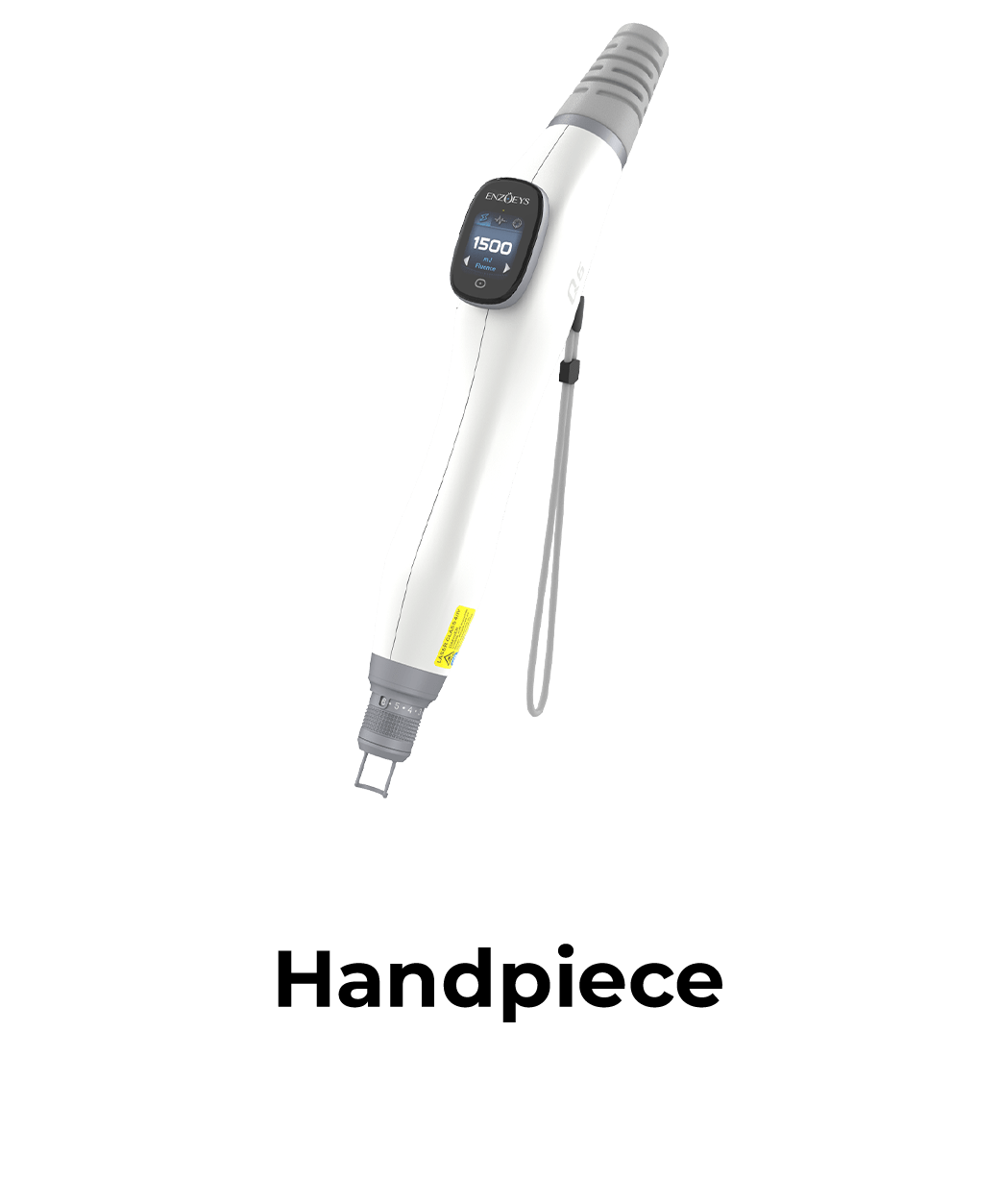
Many dermatology clinics and aesthetic distributors evaluate laser platforms based on pulse control, treatment range, and long-term stability. A q switched nd yag laser machine works by releasing high-energy laser pulses within an extremely short duration. The rapid pulse breaks melanin particles or tattoo pigment into smaller fragments without creating continuous heat on surrounding tissue. These fragmented particles are then gradually removed through the body’s natural metabolic process. Different wavelengths are used for different treatment goals. A 1064nm wavelength is commonly applied to dark tattoos and deeper pigmentation, while 532nm is often selected for superficial red or brown pigment concerns. For hospitals and laser clinics, pulse precision and stable energy output are important factors when evaluating treatment consistency and patient comfort.
Pulse Delivery and Energy Control
The treatment process depends heavily on how energy is delivered to the skin. A q switch nd yag laser machine stores energy inside the laser cavity before releasing it in nanosecond pulses. This short exposure time helps reduce unnecessary thermal spread while concentrating energy on targeted pigment. Adjustable spot size and fluence settings also allow practitioners to adapt treatment parameters for different skin conditions and skin types. Some modern systems integrate cooling structures and intelligent monitoring functions to support stable operation during repeated treatments. These technical features are important for clinics managing frequent treatment sessions or high patient volume.
Equipment Design for Clinical Applications
Medical aesthetic equipment suppliers increasingly focus on treatment flexibility and manufacturing compliance. ENZOEYS provides laser systems designed for pigment removal, tattoo reduction, and skin rejuvenation procedures. Their Q6 platform combines multiple wavelength options with adjustable treatment parameters for different clinical applications. The company also emphasizes manufacturing management and supply stability through its integrated production structure. In 2025, they obtained a Class II Medical Device Manufacturing License in China, supporting product compliance and operational reliability for overseas distribution partners. For distributors and aesthetic clinics, certification status and after-sales support are often considered alongside treatment performance.
Conclusion: Factors Behind Stable Laser Performance
When clinics evaluate a q switched nd yag laser machine, they often consider pulse duration, wavelength selection, cooling structure, and system consistency together rather than focusing on a single specification. A properly configured platform can support tattoo removal, pigmentation treatment, and skin revitalization procedures across different treatment settings. As clinical demand continues to expand, manufacturers such as ENZOEYS are also placing more attention on production standards, technical development, and responsive delivery support for international medical aesthetic markets.
