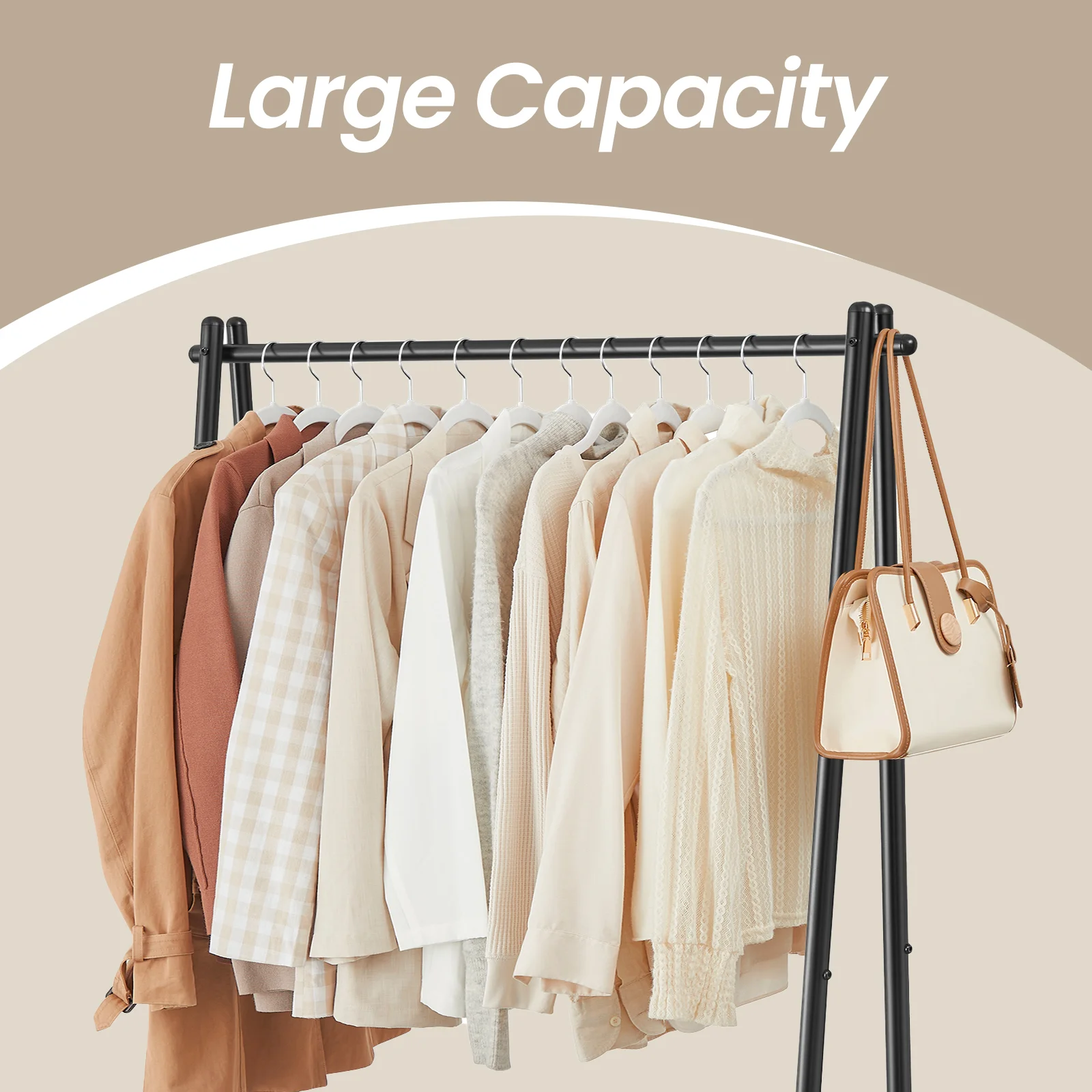
Urban housing trends continue to shape how consumers furnish their primary living spaces. With individuals moving into smaller apartments, built-in closet space is frequently inadequate. This spatial limitation creates a strong retail market for freestanding garment organization tools. Retailers must carefully construct their inventory.
Sourcing the right storage furniture involves more than locating the lowest wholesale unit price. Procurement teams must evaluate technical features to determine which items satisfy varying expectations. Building a reliable product catalog requires an understanding of structural nuances and shifting residential preferences across regions.
These functional details often separate high-performing retail inventory from slow-moving stock. A well-curated selection of organizational products can drive consistent year-round foot traffic. Buyers need a systematic approach to identifying the most commercially viable garment racks for their physical showrooms and digital e-commerce platforms.
Structural Integrity and Load Capacity
The most critical feature of any freestanding wardrobe unit is its underlying structural integrity. Consumers expect these products to securely hold heavy winter coats without buckling. When a storage rack fails, it directly damages brand reputation and increases retail return rates, impacting overall profitability.
To avoid these issues, buyers must prioritize load-bearing capacity during procurement. Evaluating the steel gauge and connector materials is a necessary step. Premium racks often feature thick carbon steel tubing combined with powder-coated finishes. This specific manufacturing approach helps resist corrosion in humid residential environments.
Purchasing managers should also check if connecting joints are constructed from reinforced metal or heavy-duty industrial plastic. Robust construction at these stress points helps retailers minimize post-purchase complaints. Offering highly durable metal racks allows businesses to build trust with consumers seeking reliable long-term wardrobe solutions.
Multi-Functional Design Capabilities
Modern consumers increasingly look for household furniture that serves multiple practical purposes. A standard single-hanging bar may not fully address the complex organizational needs of a renter. Garment racks incorporating integrated bottom shelving or dual hanging rails offer significantly more utility within the exact same footprint.
These hybrid organizational designs allow users to store folded garments, bulky shoes, and hanging clothes in one centralized zone. From a merchandising perspective, these multi-functional units generally carry a higher perceived value. Retailers can leverage these versatile products to justify premium pricing tiers and improve transaction sizes.
Stocking adaptable items also simplifies the visual merchandising process in physical stores. Showroom designers can display these units alongside complementary storage bins or hanging fabric organizers. This cross-merchandising strategy encourages shoppers to purchase complete organizational systems rather than isolated pieces, increasing the overall volume of goods sold.
Evaluating Mobility vs. Stability
Base design is another functional element that heavily influences a consumer’s final purchasing decision. Many apartment dwellers prefer mobile racks equipped with heavy-duty caster wheels. This mobility allows users to effortlessly reconfigure compact living spaces. It is highly appealing to younger demographics who frequently rearrange furniture.
Procurement teams must verify these rolling units include reliable locking mechanisms on the wheels. Without secure locks, a fully loaded garment rack might shift unexpectedly on hard flooring. Evaluating the quality of these casters prevents negative customer reviews and reduces the likelihood of product damage during everyday use.
Conversely, some consumer demographics prefer the permanent stability of stationary metal structures. Racks equipped with adjustable leveling feet are ideal for older homes with uneven flooring surfaces. Retail buyers should consider stocking a balanced mix of both base types to serve different household requirements across geographical markets.
Understanding Storage Typologies
While exposed metal structures provide incredibly easy access, they may not suit every specific consumer preference. Some shoppers require enclosed options to protect delicate garments from dust and sunlight fading. Understanding the precise dynamics of open vs. closed storage helps retail procurement teams build a more comprehensive catalog.
Offering lightweight fabric closets alongside traditional metal racks provides buyers with a well-rounded organizational category. These enclosed units offer a cleaner visual aesthetic, often preferred for shared urban living spaces or open-plan studio lofts. Expanding the assortment allows a retailer to capture a substantially broader segment of the market.
Evaluating Supply Chain Partners
Selecting durable products requires establishing a relationship with a capable clothing rack supplier. A reliable manufacturing partner should enforce strict quality control measures to maintain structural consistency across massive production runs. Procurement teams must evaluate a factory’s technical capabilities and its capacity to handle unexpected volume spikes.
When mapping out global supply chains, businesses may review the infrastructure of established international manufacturers. SONGMICS HOME operates as a comprehensive B2B furniture manufacturer. Their diverse catalog encompasses various garment organization tools, including lightweight single-bar racks, heavy-duty hybrid shelving units, and fully enclosed fabric closets.
To facilitate large-scale wholesale distribution, they manage self-owned logistics facilities strategically located across multiple countries. This expansive warehouse infrastructure supports efficient order fulfillment for overseas buyers. Retailers might find this logistical capability advantageous when attempting to streamline inbound freight operations and stabilize inventory levels against unpredictable regional shipping delays.
Furthermore, they provide Original Equipment Manufacturer services to support tailored product development. Their internal engineering teams can collaborate with wholesale clients to adjust product dimensions or surface finishes. This manufacturing flexibility allows B2B businesses to create customized storage lines that align closely with their specific brand identities.
Accelerating Retail Shelf Velocity
Curating a resilient home organization category ultimately relies on a proactive approach to product selection. Retailers who prioritize structural integrity and versatile design features are better positioned to meet modern consumer expectations. By stocking adaptable furniture, merchandising teams can address the practical constraints of urban living.
Driving sustainable commercial growth requires continuously refining category assortments based on spatial trends. Businesses that align their inventory planning with these modern residential realities can accelerate their shelf velocity. Establishing a robust sourcing strategy for organizational products builds a stable foundation for long-term international retail success.
