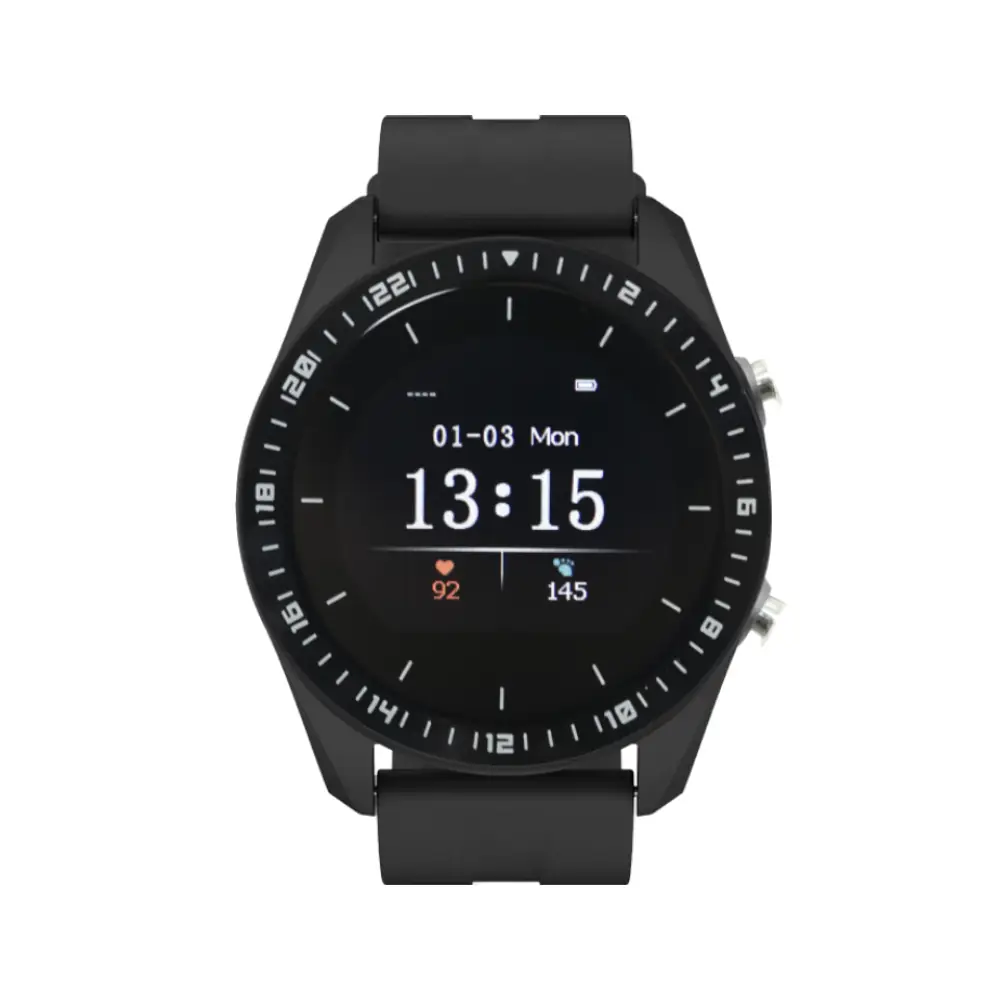
Wearable IoT devices are becoming an important component in digital transformation because businesses need more efficient methods to collect data, connect users, and manage operations. HKT LORA focuses on developing LoRaWAN-based products. Their LoRaWAN Smart Watch is designed as a connected wearable terminal that combines wireless communication, positioning functions, health data collection, and intelligent alerts to help businesses build flexible IoT solutions.
Developing Wearable Devices for Modern IoT Applications
The increasing demand for connected devices has encouraged businesses to explore wearable solutions that support ongoing data collection and wireless communication. Compared with traditional wearable products, industrial IoT wearables need stronger connectivity and better integration with management platforms.
Their lora watch is developed for IoT applications where organizations require personnel connectivity, location awareness, and data transmission. Through LoRaWAN communication, the device can become part of a larger IoT system and support applications that connect users with digital platforms.
The smart watch is designed to support different business scenarios rather than a single application. Companies can integrate the device into solutions related to workplace management, health monitoring, location tracking, and connected services.
Creating Reliable Communication Through LoRaWAN Networks
Communication capability is one of the most important factors when selecting wearable IoT devices. Many business environments require devices that can maintain connectivity beyond traditional short-range wireless communication.
Their lora watch uses LoRaWAN technology to provide a communication option for wide-area IoT applications. The product supports LoRaWAN frequency bands including AS923MHz, US915MHz, and EU868MHz, allowing partners to configure solutions according to regional network requirements.
By connecting wearable devices with LoRaWAN infrastructure, businesses can establish communication between field users and management systems. This helps improve information flow and supports more organized digital operations.
Integrating Multiple Functions into One Wearable Platform
Business users often require more than simple communication from wearable devices. A practical IoT wearable needs to combine different functions while maintaining usability and flexibility.
The LoRaWAN Smart Watch combines sensing, positioning, alarm, and Bluetooth connectivity functions within one wearable terminal. These functions can be integrated into IoT platforms according to the requirements of specific applications.
This integrated design helps reduce the need for multiple separate devices. Businesses can develop applications where one wearable terminal supports several operational requirements through connection with backend platforms.
Supporting Intelligent Location-Based Management
Location awareness is an important requirement for many IoT projects because businesses need better visibility of personnel movement and operational conditions. Different environments may require different positioning methods.
Their lora watch combines GPS, Beidou, WiFi to support indoor and outdoor positioning. The built-in low-power BLE technology can also improve indoor positioning accuracy when used with Bluetooth-based solutions.
This multi-source positioning approach allows solution providers to design applications according to different environments. It provides flexibility for industries that need location information as part of their management systems.
Improving Safety Management Through Connected Alerts
Safety applications require communication methods that can deliver important information when abnormal situations occur. Wearable devices with alert functions can provide additional support for personnel management.
Their lora watch includes an SOS one-key alarm function and supports automatic alarms related to health data exceeding predefined settings, electronic fence events, low battery conditions, and device shutdown situations.
These functions allow businesses to create connected safety systems. By combining wearable devices with IoT platforms, organizations can receive alerts and manage responses more efficiently.
Optimizing Energy Efficiency for Long-Term Wearable Operation
Power management is a key consideration for wearable IoT products because users need devices that can operate reliably during daily activities. Frequent charging requirements may affect deployment efficiency.
Their lora watch includes wearing detection functionality. When the device detects that it is not being worn, it can enter an ultra-low-power mode to reduce unnecessary energy consumption.
The product also supports breakpoint transmission, allowing positioning and health data to be stored when communication is unavailable and transmitted after the connection is restored. This function helps maintain data continuity in changing network conditions.
Expanding IoT Possibilities Through Bluetooth Integration
IoT systems often require cooperation between different devices and communication technologies. Flexible connectivity allows businesses to create customized solutions according to application requirements.
Their lora watch integrates low-power BLE 5.0 technology, which can connect with various Bluetooth peripherals and transmit peripheral data through the watch to background systems.
This capability enables partners to explore additional applications by combining the smart watch with other connected equipment. The wearable device can serve as an interaction point between users, sensors, and digital platforms.
Expanding Smart IoT Applications with HKT LORA
Connected wearable technology provides businesses with new methods to collect information, improve communication, and develop intelligent management systems. Successful IoT deployment requires a balance between hardware capability, wireless connectivity, and application flexibility.
HKT LORA provides LoRaWAN-based wearable products and technical support for partners developing connected IoT applications. Its LoRaWAN Smart Watch can be configured and integrated according to communication, positioning, peripheral connectivity, and application requirements.
