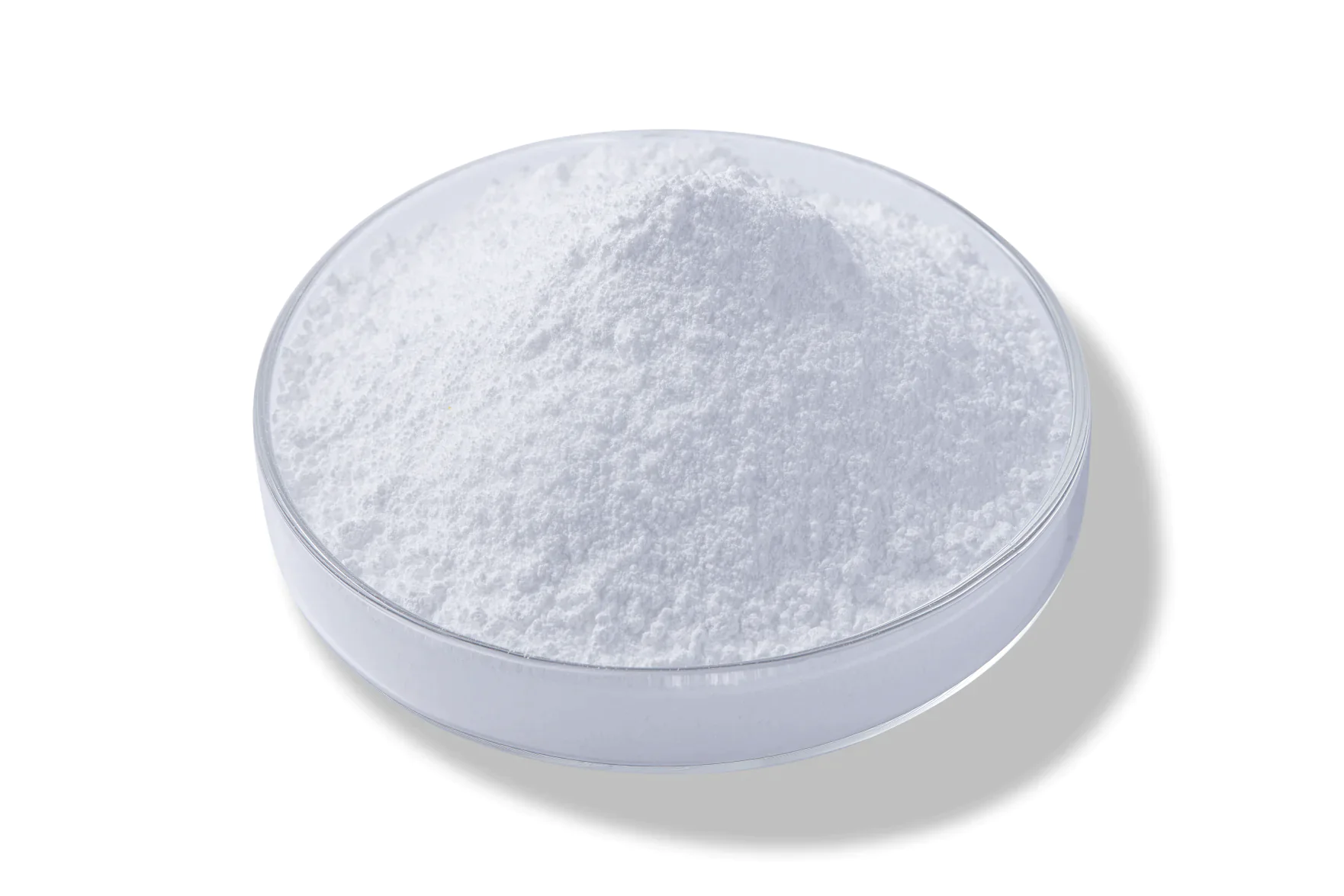
Toothpaste must remove plaque, food debris, and surface stains while maintaining a balance between cleaning performance and enamel protection. Abrasives play an essential role in this process, helping polish tooth surfaces and improve the overall cleaning effect. Among the materials used in oral care formulations, abrasive silica is valued for its adjustable particle characteristics, formulation versatility, and ability to support effective cleaning.
However, evaluating an abrasive material requires more than examining its particle size or cleaning strength. Toothpaste manufacturers must consider how an ingredient performs within the complete formulation, including its interaction with other components and its effect on the final product. Understanding toothpaste abrasive ratings provides a practical foundation for selecting suitable raw materials and developing consistent oral care products.
What Do Toothpaste Abrasive Ratings Measure?
Toothpaste abrasive ratings are commonly discussed in terms of the Relative Dentin Abrasivity (RDA) value. RDA is a standardized measure used to evaluate how much a toothpaste abrades dentin under specified testing conditions. It helps manufacturers compare the abrasive effects of different formulations and assess whether a product meets relevant performance requirements.
Although RDA is an important reference, it should not be interpreted as a direct measurement of enamel wear or as a complete indicator of cleaning efficiency. Dentin and enamel have different properties, and actual abrasion depends on several factors, including brushing technique, applied pressure, brushing duration, and formulation characteristics.
For product developers, RDA should therefore be considered alongside cleaning performance, polishing results, consumer needs, and applicable regulatory guidance. A lower rating does not automatically indicate a better toothpaste, just as a higher rating does not necessarily mean superior stain removal. The objective is to establish an appropriate balance between effective cleaning and acceptable abrasivity.
Key Factors Affecting Abrasive Silica Performance
The performance of abrasive silica depends on more than its chemical composition. Particle size distribution, particle morphology, hardness, and structural characteristics can influence how the material interacts with tooth surfaces during brushing.
Particle size distribution is particularly important because it affects the physical behavior of the abrasive system. However, particle size alone cannot reliably predict a finished toothpaste’s RDA value. Particle shape, aggregation, dispersion, and the interaction between silica and other formulation ingredients can also influence measured results.
Formulation compatibility is another critical consideration. Abrasive silica must work effectively within a toothpaste base containing ingredients such as humectants, binders, surfactants, and flavoring agents. Its dispersion and structural properties can affect consistency, stability, and overall product performance.
For manufacturers, the most useful approach is to evaluate silica through a combination of material specifications, laboratory testing, and formulation trials. This helps establish whether a grade meets the technical requirements of a particular product rather than relying on a single specification in isolation.
How to Evaluate Toothpaste Abrasive Ratings Accurately
A reliable evaluation process begins with a clearly defined product objective. A toothpaste designed for everyday cleaning may require a different abrasive profile from a formulation developed for polishing or surface stain removal. Establishing the intended use helps determine the appropriate testing criteria.
Next, manufacturers should assess the abrasive system using standardized methods. RDA testing provides a reference for dentin abrasivity, while additional evaluations can examine cleaning efficacy, polishing performance, formulation stability, and relevant safety characteristics. Testing should be conducted under controlled conditions, with suitable reference materials and repeat measurements where appropriate.
It is also important to distinguish raw material characteristics from finished product results. Two toothpastes containing the same silica grade may produce different RDA values because their formulations, abrasive concentrations, and processing conditions differ. Consequently, supplier data can support preliminary screening, but finished formulation testing remains essential.
Documentation should include the applicable test method, sample preparation conditions, measured results, and relevant quality specifications. Consistent documentation makes comparisons more meaningful and supports quality control during product development and manufacturing.
Selecting the Right Abrasive Silica for Product Development
Choosing a suitable abrasive silica grade requires matching material properties with the intended cleaning profile, transparency, viscosity, and production requirements. Manufacturers should compare supplier specifications, review compatibility with fluoride and flavor ingredients, and verify performance through laboratory trials.
JSJ Silica provides ORASIL® silica solutions for oral care formulations, with grades designed for different cleaning and functional requirements. For example, ORASIL® 114 is designed for medium abrasive cleaning performance and high transparency. The product also offers uniform particle size distribution, high fluoride compatibility, and compatibility with other toothpaste components. JSJ recommends a typical addition level of 15% to 20% in combination with thickening silica, subject to formulation requirements.
When evaluating this or any other grade, manufacturers should confirm the relevant technical specifications and conduct finished product testing rather than assuming that a raw material’s characteristics determine the final RDA value. This approach supports more reliable formulation decisions and helps align product performance with target market expectations.
Building a Consistent Evaluation Process
Accurate toothpaste abrasive ratings depend on a systematic process that connects raw material selection, formulation development, and quality assurance. Manufacturers should establish clear performance targets, use standardized test methods, document results, and repeat evaluations when ingredients or production conditions change.
Equally important is collaboration with a silica supplier that can provide technical documentation and formulation guidance. Reliable material specifications and consistent quality help reduce development uncertainty and support repeatable manufacturing outcomes.
JSJ Silica offers oral care silica solutions for manufacturers seeking to balance cleaning performance, formulation stability, and visual properties. By combining appropriate abrasive silica selection with standardized testing and careful formulation control, product developers can make better informed decisions and create toothpaste products that meet defined performance requirements.
