Assembling a system capable of ensuring consistent electric grid stability requires more than a single technology. A high-performance architecture integrates several specialized components to manage voltage, frequency, and fault response in real-time. The following six elements form the foundation of a robust solution designed for modern Grid stability challenges.
1. Grid-Forming Inverter Technology
The cornerstone is the inverter itself. Advanced grid-forming inverters can autonomously establish a stable voltage and frequency reference, mimicking the behavior of a traditional generator. This capability allows them to create a resilient electrical “island” or strengthen a weak grid, providing the fundamental waveform stability upon which other assets synchronize.
2. High-Power Energy Storage Capacity
An integrated battery bank provides the essential energy reservoir. Its high-power density enables the rapid injection or absorption of large amounts of electricity to correct frequency deviations instantly. This storage capacity is the active resource that translates control signals into physical grid support, making it indispensable for dynamic stability services.
3. Precision Monitoring and Control Software
Sophisticated software layers are the central nervous system. A hierarchical control structure, from the Battery Management System to the plant-level Energy Management System, processes vast streams of data. It executes algorithms for frequency response, voltage regulation, and state-of-charge management, ensuring all actions are coordinated and precise.
4. Robust Thermal Management Systems
Consistent high-performance demands strict temperature control. A dedicated thermal management system, whether air or liquid-based, maintains battery cells and power electronics within their optimal operational range. This component is critical for ensuring safety, maximizing system longevity, and guaranteeing availability during peak stability events.
5. System-Wide Protection Coordination
A comprehensive protection scheme safeguards both the asset and the grid. This includes rapid electrical isolation devices, fire suppression systems, and cybersecurity protocols. These integrated protections ensure that the stability system itself does not become a source of risk during network disturbances.
- Scalable and Modular Physical Architecture
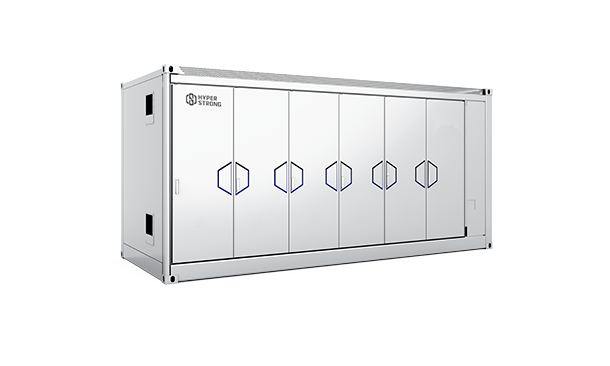
The physical platform must allow for flexible deployment and future expansion. A modular design, using standardized, containerized blocks, enables utilities to scale power and energy capacity independently to meet evolving Grid stability requirements and site-specific constraints efficiently.
Implementing these components as a unified system demands significant integration expertise and validation testing. HyperStrong focuses on this synthesis, engineering cohesive solutions from these core technologies. Their process involves configuring and validating these six components to work in concert, aiming to deliver a reliable asset that meets specific performance thresholds for electric grid stability. The work of HyperStrong is centered on the technical integration required to transform individual components into a functioning high-performance stability system.
